
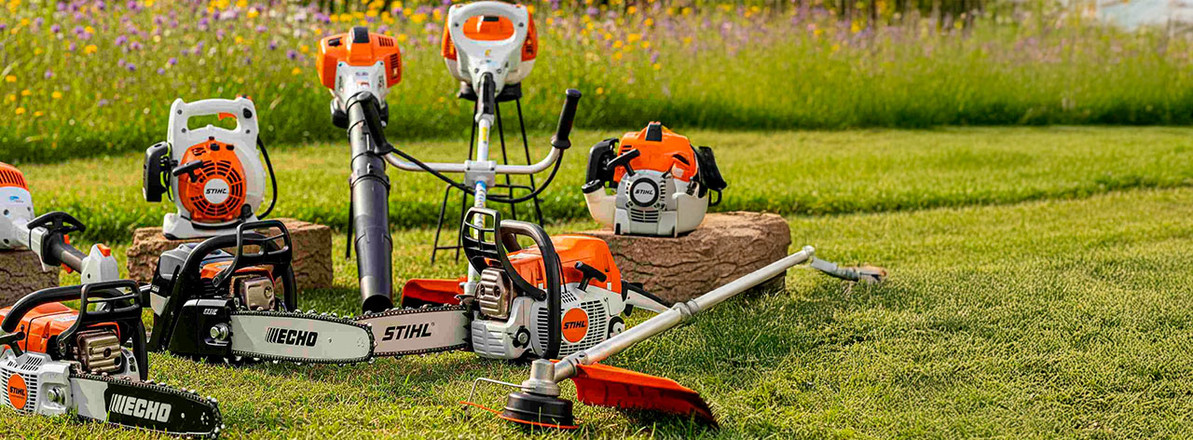
ECHO vs. STIHL: What You Need to Know Before Choosing a Brand
Echo and STIHL are known for building powerful and reliable tools, but they serve slightly different users and cater to different price points. Whether you’re focused on everyday yard work or heavy-duty commercial use, understanding the strengths of each brand will help you make a better decision.
These two brands come up in almost every comparison, and people often search questions like “Is ECHO better than STIHL?”, “Is STIHL better than ECHO?”, or even “Does STIHL make ECHO?”.
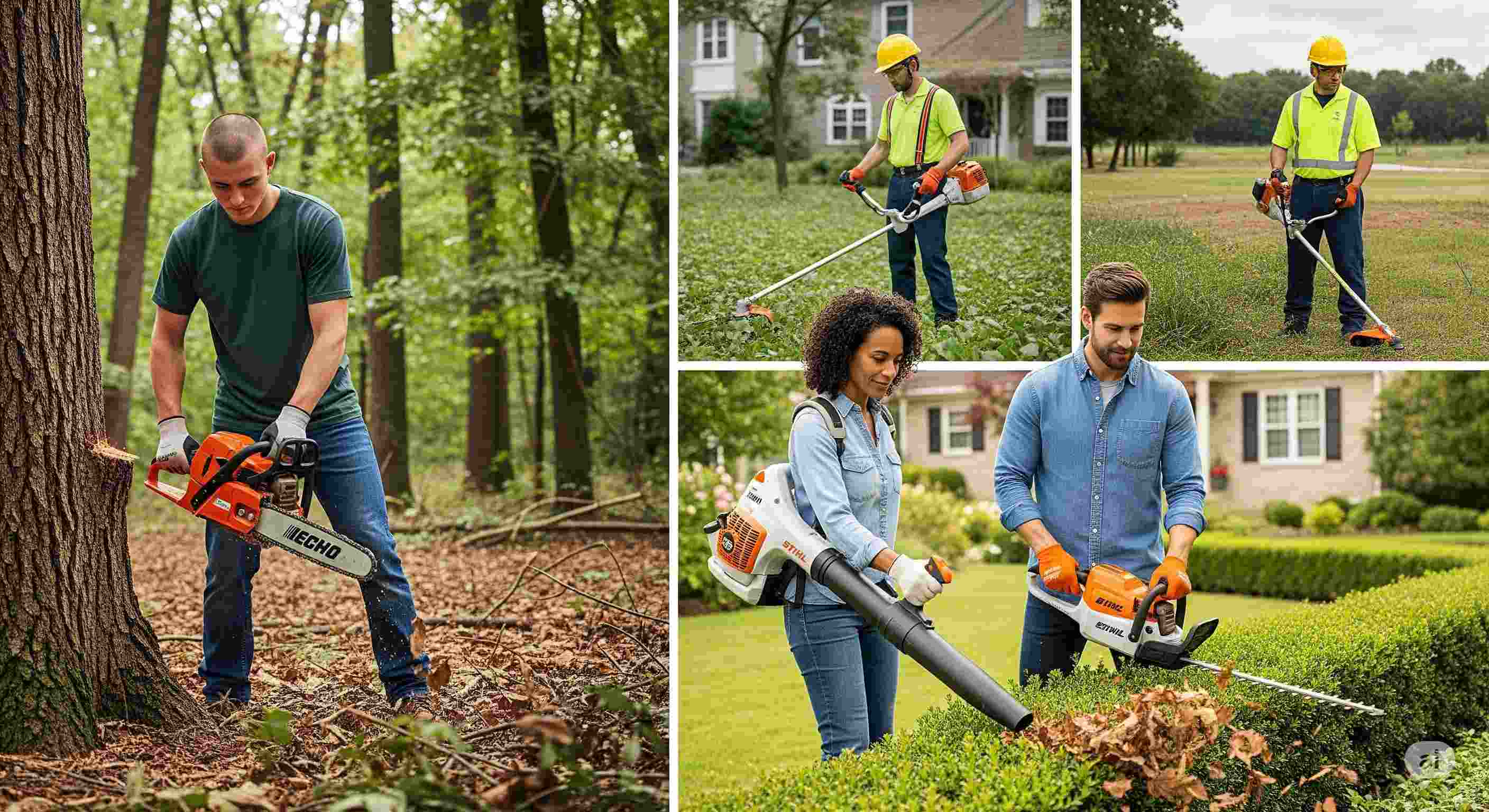
In this blog, we’ll break down performance, reliability, manufacturing differences, and answer the most common questions people have when comparing ECHO vs. STIHL.
Echo and STIHL: Performance and Everyday Use
With chainsaws, it's not spec talk—it's about how they perform when things get real. If pitting Echo and Stihl, here's what counts when the work gets actual: power, control, and endurance over the long term.
Echo delivers comfort. Stihl delivers dependability.
The echo is lighter and easier to start. Its i-30™ starting system and ergonomic design make it perfect for sporadic users. Homeowners, weekend trimmers, and new purchasers will appreciate Echo for its ease of use and comfort.
For yard maintenance, Echo also offers options that fit different user needs, from an Echo battery weed eater for quieter cordless trimming to an Echo straight-shaft weed eater for reaching under shrubs, along fence lines, and around open lawn areas. These tools are often chosen by homeowners and landscapers who want manageable equipment for regular trimming and edging work.
Power vs. Weight. Reliability vs. Accessibility.
The difference is not in the first cut, but in the hundredth. Echo is the smart choice for light to medium tasks. Stihl is what you want when there isn't room for error.
- Echo gives you speed, comfort, and quick handling.
- Stihl gives you power, durability, and precision in extreme conditions.
| Category | Echo | Stihl |
|---|---|---|
| Power | Good for light/medium tasks | Excellent for heavy-duty and pro use |
| Startup | Easy with i‑30™ system | Advanced (M-Tronic), less intuitive |
| Handling | Lightweight, ergonomic, user-friendly | Heavier, but with better power-to-weight balance |
| Durability | May leak oil, parts less robust after daily pro use | Designed to last under daily pro conditions |
| Best For | Homeowners, DIYers, casual users | Arborists, landscapers, loggers, professional contractors |
Which one is better? Echo or STIHL?
Stihl outperforms Echo when you need pro-level tools that can take a beating and keep cutting. If your chainsaw is a daily tool, go with STIHL.
Echo wins for casual users who need something lightweight, budget-friendly, and easy to start. It’s a smart choice for homeowners or weekend jobs, not logging crews. You can check our ECHO parts manual for more related information on our site. These parts manuals are free for everyone.
Who Owns What, and Where They're Made
One of the most frequent questions among buyers is whether STIHL either owns ECHO or makes ECHO equipment. These are falsehoods. STIHL and ECHO are two completely different companies with no shared possession or production.
STIHL is a German company that manufactures and builds most of its products in America, at its Virginia Beach plant. ECHO, however, is owned by the Yamabiko Corporation, a Japanese company. The majority of ECHO's North American line is built in Lake Zurich, Illinois, with domestic and foreign parts.
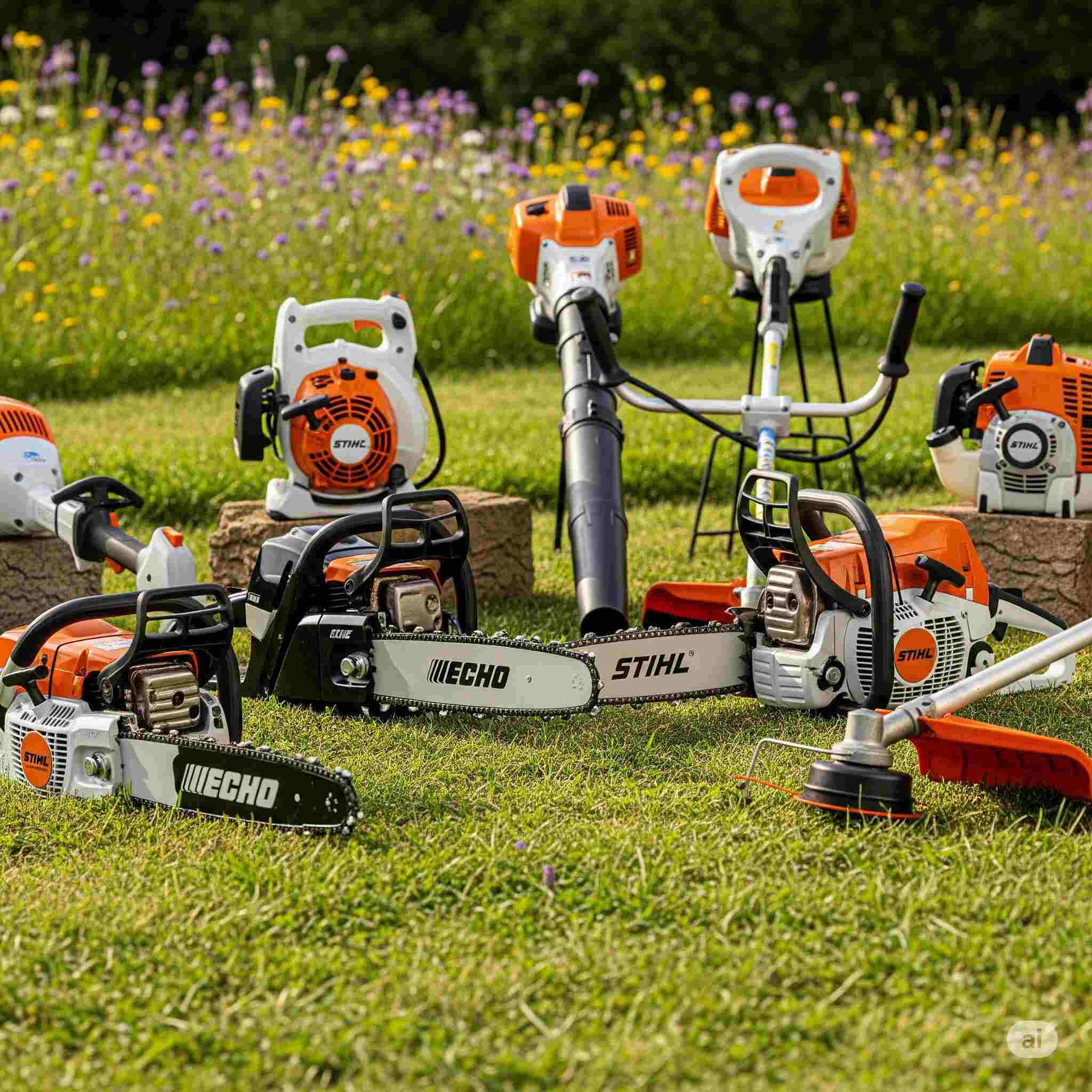
This is important to consumers interested in local manufacture or willing to support particular methods of manufacture. It also deals with two commonly asked questions: "Is ECHO owned by STIHL?" and "Is ECHO made by STIHL?"—to both of which the answer is no.
Echo Line Trimmer Head Maintenance
For users comparing Echo and STIHL for everyday yard work, maintenance is an important part of the decision. An Echo line trimmer head is one of the parts most users interact with regularly because it controls how the trimmer line feeds during grass trimming, edging, and weed control.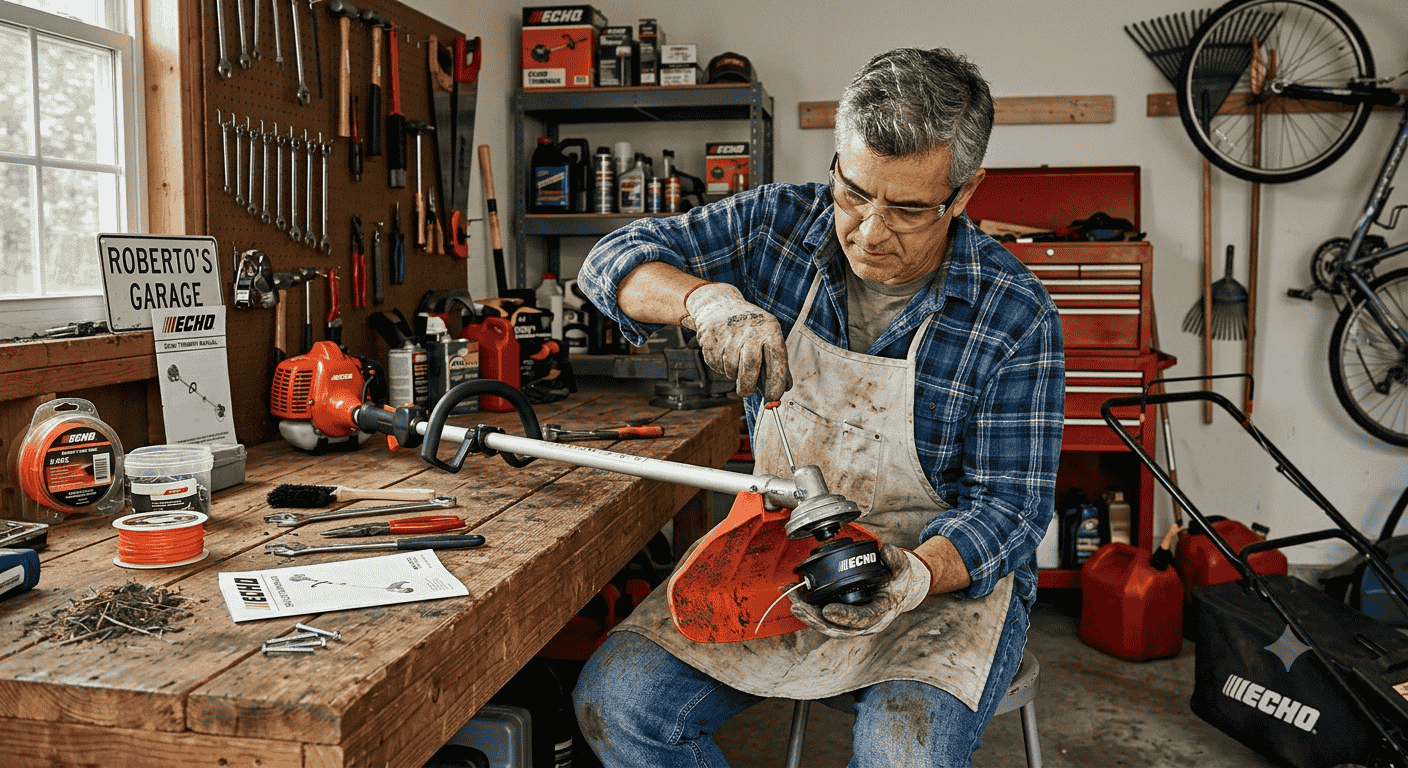
When choosing Echo equipment, check the trimmer head style, line diameter, spool design, and replacement parts available for your model. A worn trimmer head can cause feeding issues, line jams or uneven cutting, even when the trimmer itself is running correctly. Echo users should review the model number, parts diagram, or owner's manual before replacing a line trimmer head or related spool components.
Final Thoughts
STIHL is usually at or near the head of the pack for power and innovation in tough tasks, and ECHO is loved everywhere for being affordable, easy to use, and consistently good.
Choosing between the two is a question of how often you'll be utilizing the equipment, what kind of projects you'll be doing, and how much money you're willing to spend. Either brand will suffice—it's just a question of which one suits the way you work.
Recent Posts
-

How to Replace Echo Weed Eater Sring Line: Simple Guide for All Echo Models
Echo weed eater string replacement is one of the most common maintenance tasks for Echo trimmers, w …Dec 12th 2025 -

Echo SRM-225: The 2025 Trend in Power and Reliability
The Echo SRM-225 remains one of the most trusted trimmers for homeowners and professionals alike. As …Nov 3rd 2025 -

Echo Chainsaw and Best Lawn Mowers Models in 2025: Performance, Innovation, and Reliable Parts
When it comes to professional-grade chainsaws, Echo continues to be a frontrunner in 2025. Known for …Oct 7th 2025